
Extractor Hoods Tools To Ease Your Daily Life Extractor Hoods Techniqu…
페이지 정보
작성자 Kandis Baader 작성일 25-12-24 03:23 조회 2 댓글 0본문
The Essential Guide to Extractor Hoods: Understanding, Choosing, and Maintaining
In kitchens all over the world, extractor hoods hold a vital role. Not only do they add a touch of style to the cooking space, but they also make sure that cooking smells, smoke, and grease are effectively handled. This extensive guide explores the numerous elements of extractor hoods, including their types, advantages, and maintenance ideas, to help anybody looking to improve their kitchen environment.
Comprehending Extractor Hoods
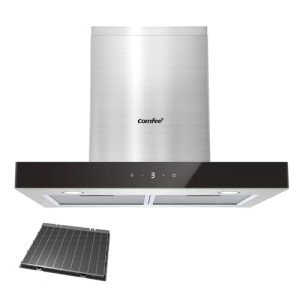
Extractor hoods, also called range hoods or kitchen hoods, are home appliances installed above cooking surfaces. Their primary purpose is to aerate and eliminate airborne grease, smoke, fumes, and smells produced throughout cooking.
Types of Extractor Hoods
Extractor hoods come in various styles and functionalities. Comprehending the types is essential for making an educated choice. Here's a summary:
| Type | Description | Suitable For |
|---|---|---|
| Wall-Mounted | Installed on the wall, usually above the stove. | Standard home kitchens. |
| Under-Cabinet | Fits underneath kitchen cabinets, saving overhead space. | Homes or small areas. |
| Island | Mounted above kitchen islands and provides a smooth design. | Open concept kitchens. |
| Downdraft | Pulls back into the counter top when not in usage. | Contemporary kitchens. |
| Professional | Sturdy hoods for commercial-grade cooking. | Expert kitchens. |
How They Work
Extractor hoods run by pulling in the air from the cooking location, filtering it through a series of filters, and then launching either tidy air back into the kitchen or venting it outside. The choice in between ducted and ductless systems impacts how the hood functions:
- Ducted Hoods: Vent air outside, making them more efficient in getting rid of heat and odorous particles.
- Ductless Hoods: Use filters to clean the air and recycle it back into the kitchen. They are easier to install however might require more regular filter replacement.
Advantages of Extractor Hoods
Investing in an extractor hood offers numerous advantages that extend beyond aesthetic improvement. Here are crucial benefits:
- Improved Air Quality: Removes smoke, steam, and smells, ensuring cleaner air in the kitchen.
- Grease Reduction: Captures grease and wetness, lowering buildup on cabinets and walls.
- Boosted Comfort: Keeps the kitchen cooler by expelling heat produced throughout cooking.
- Increased Safety: Reduces the threat of fire threats from grease accumulation.
- Elegant Design: Available in numerous styles, boosting the total kitchen decoration.
Choosing the Right Extractor Hood
Choosing the ideal extractor hood may seem daunting provided the range of alternatives available. Here are some crucial elements to consider:
1. Kitchen Size
The size of the kitchen will figure out the hood's dimensions and power. Bigger kitchens normally require more powerful hoods to make sure reliable ventilation.
2. Cooking Style
Consider cooking habits. If regular frying or barbecuing becomes part of the regular, a more powerful extractor hood with a higher extraction rate is suggested.
3. Aesthetic Preferences
Extractor hoods can be a statement piece in the kitchen. Choose a style that matches the total style.
4. Installation Type
Choose whether a ducted or ductless hood fits much better with your kitchen design and ventilation options.
5. Sound Levels
Sound levels vary by model. Select quieter hoods if noise is a significant concern during cooking.
6. Functions and Controls
Modern hoods feature different functions, including adjustable fan speeds, lighting, and smart connection. Evaluate these based upon personal requirements.
Breakdown of Features
| Feature | Description |
|---|---|
| Fan Speed Settings | Numerous speed alternatives for different cooking requirements. |
| Lighting | Integrated lighting to illuminate the cooking area. |
| Filter Type | Options include metal, charcoal, or paper, affecting upkeep requirements. |
| Smart Technology | Wi-Fi connection for remote operation and tracking. |
FAQs About Extractor Hoods
Q1: How typically need to extractor hood filters be cleaned or replaced?A1: It depends upon usage, but usually, grease filters ought to be cleaned every month and charcoal filters changed every 3 to 6 months.
Q2: Can I install an extractor hood myself?A2: While some models
are developed for easy DIY setup, it's often best to seek advice from a professional for optimum outcomes and security. Q3: How do I figure out the ideal size hood for
my stove?A3: The extractor hood ought to be at least as large as the cooking surface and
ideally extends 3 inches beyond either side. Q4: What is the average cost of an extractor hood?A4: Prices vary widely depending on design and features however typical between ₤ 50 to ₤ 1,500 or more for high-end designs. Maintenance Tips for Extractor Hoods Appropriate maintenance is essential for the longevity and effectiveness of an extractor hood.
Here are some best practices: Regular Cleaning
: Clean the surface area and filters regularly. Metal filters can often be washed in a dishwasher. Inspect Ducts: Inspect ducts for obstructions
or buildup every year, especially if using a ducted system. Change Filters: Adhere to the maker's suggestionsfor filter replacement, especially in ductless models. Keep Surrounding Areas Clean: Standard kitchen tidiness helps reduce grease build-up. ExpertServicing: Consider having a professional examine and service the hood yearly. Extractor hoods are an essential element ofa kitchen's style and performance. By comprehending their types, benefits, and maintenance requirements, anyone can make an educated option that booststheir cooking experience and contributes to a healthier kitchen environment.Whether for aesthetic appeal, improved air quality, or total security, purchasing a quality extractor hood certainly settles in the long run.
댓글목록 0
등록된 댓글이 없습니다.