
Planing Machines For Furniture: 11 Things You're Forgetting To Do
페이지 정보
작성자 Mira Pickel 작성일 25-12-22 13:09 조회 4 댓글 0본문
Understanding Planning Machines for Furniture: An In-Depth Guide
In the woodworking industry, the precision and performance of machinery play an important function in producing high-quality furniture. Among numerous machines utilized in this field, preparing machines hold a popular place. This article will dig into the fundamentals of preparing machines for furniture, covering their types, functionalities, benefits, and maintenance ideas. We'll also attend to some often asked questions to offer thorough insights into this vital woodworking tool.
What is a Planning Machine?
A preparation machine, typically referred to as a planer, is a tool used to smooth and flatten surface areas of wood, especially in furniture production. By removing product from the surface of the wood, a preparation maker produces an uniform thickness and prepares the wood for Hobelmaschinen Im Angebot subsequent procedures such as sanding, finishing, and putting together.
Kinds Of Planning Machines
Preparation machines are available in different setups created to satisfy various woodworking needs. Here are the primary types of preparing machines commonly utilized in furniture making:
| Type of Planning Machine | Description | Ideal Use |
|---|---|---|
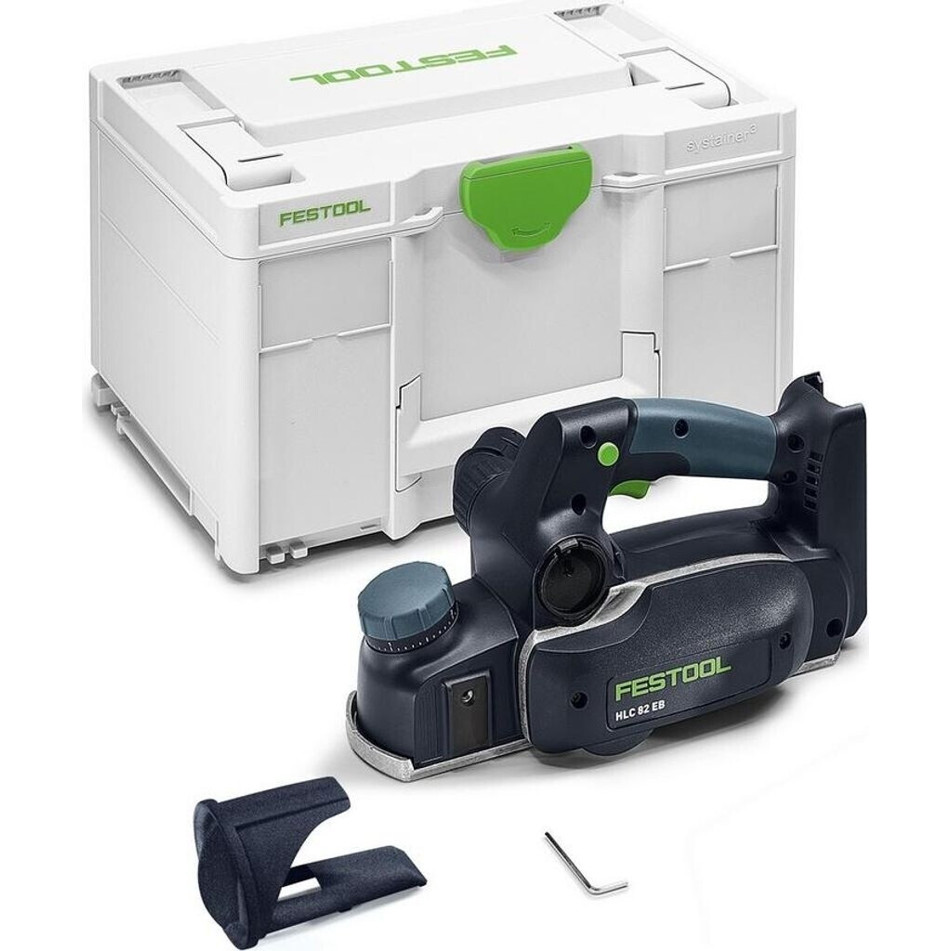
| Portable Planers | Little, lightweight machines ideal for both professional usage and DIY projects. They are easily movable and normally powered by electrical energy or batteries. | Ideal for on-site applications and smaller projects. |
| Floor Model Planers | Larger, fixed machines that use more power and bigger cutting capacities. They are developed for heavy-duty use in workshops. | Best for high-volume production and complex tasks. |
| Benchtop Planers | Mid-sized planers that use a balance in between portability and functionality. These can be put on a workbench. | Suitable for hobbyists and small workshops. |
| Thickness Planers | Focused on planing wood to a constant thickness, these machines typically include extra functions like double blades and adjustable settings. | Perfect for lumber preparation and making sure harmony. |
| Mixer Planers | These machines combine a planer and jointer, permitting both planing and edge jointing in one device. | Great for users looking to conserve area and maximize performance in their workshop. |
How Planning Machines Work
Preparation machines run through a series of turning blades that cut into the wood as it goes through the maker. The standard components of a planning device consist of:
- Feed rollers: These assist draw the wood into the machine.
- Cutter head: This houses the sharp blades that get rid of material from the wood.
- Table: The flat surface area on which wood is positioned for planing.
The user can adjust the thickness setting according to their wanted results. By passing the wood multiple times, users can accomplish a really smooth and consistently appeared piece.
Advantages of Using Planning Machines
Using preparation machines offers a number of benefits:
- Precision: Planning machines supply accurate depth control, ensuring a constant surface finish.
- Performance: These machines significantly speed up the planing procedure compared to manual methods.
- Adaptability: From density adjustments to various wood types, planers can be adapted for different projects.
- Enhanced Quality: A smooth surface area promotes better adhesion for glue and surfaces, resulting in greater quality furniture.
- Reduced Labor: Automation in production reduces the physical strain on workers and minimizes human mistake.
Maintenance Tips for Planning Machines
Keeping preparation machines is important to guarantee their longevity and optimum efficiency. Here are some important maintenance pointers:
Regularly Inspect Blades: Dull blades can result in uneven surfaces and increased wear on the machine. Change or sharpen blades as required.
Tidy the Machine: Wood dust and shavings can build up, causing functionality problems. Regularly tidy the in-feed and out-feed tables, in addition to the cutter head.
Examine Calibration: Ensure that the device is effectively calibrated for density settings. An inaccurate calibration can affect the last output.
Lubrication: Parts that move frequently need to be lubed to prevent wear and tear.
Store Properly: When not in use, keep the machine in a dry, covered location to prevent rust and other damage.
Frequently Asked Questions
1. How do I pick the best planning maker for my needs?
Choosing the ideal planning device depends on various aspects consisting of the scale of your projects, budget, and workspace. For hobbyists, a benchtop planer may be adequate, while professional settings typically need floor model planers for larger volume jobs.
2. Can I use a planning device on all types of wood?
A lot of preparation machines work successfully on softwoods and hardwoods. Nevertheless, thick and unique hardwoods might require specialized blades or methods. Always examine the manufacturer's recommendations.
3. How thick can an organizer cut?
The cutting depth differs from one design to another, but the majority of portable planers can manage cuts of about 1/16 inch to 1/8 inch per pass. Thickness planers frequently allow deeper cuts depending upon the style.
4. Is it safe to operate a preparation device?
Yes, safety steps need to be strictly followed, such as using protective equipment (goggles, ear security), using push sticks for smaller pieces of wood, and ensuring correct upkeep and operation treatments.
5. What should I do if the planer produces a rough finish?
A rough finish might be triggered by dull blades or misalignment. Examine and maintain the blades, and guarantee the device is correctly adjusted. If the problem continues, seek advice from the maker's troubleshooting guide.
Preparation machines are valuable tools in the furniture production process, using precision, effectiveness, and adaptability. Understanding the numerous kinds of planers, their functionalities, and upkeep can assist woodworkers-- both professionals and lovers-- produce high-quality furniture that fulfills their style requirements. With the right planning maker and appropriate care, anybody can transform raw wood into beautifully crafted furniture pieces. Whether you are fitting out your workshop or beginning with a home job, buying a quality planning device will elevate your woodworking ventures.
댓글목록 0
등록된 댓글이 없습니다.