
Guide To Home Wheelchair Ramps: The Intermediate Guide For Home Wheelc…
페이지 정보
작성자 Amanda 작성일 25-12-22 10:18 조회 4 댓글 0본문
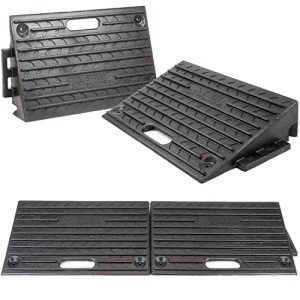
Understanding Home Wheelchair Ramps: A Comprehensive Guide
Ease of access in our homes is important for ensuring that everyone, regardless of their physical ability, can enjoy the area easily and independently. Wheelchair ramps have actually emerged as a crucial option for people with mobility challenges, supplying an essential ways of accessing their homes and browsing different surface areas. This blog site post will dig into the types of home wheelchair ramps, installation considerations, selecting the right ramp, and often asked concerns surrounding these essential tools.
Kinds Of Home Wheelchair Ramps
Home wheelchair ramps can be found in a range of design and styles to accommodate various needs and living situations. Below is a table summing up the most typical types of wheelchair ramps available for domestic usage:
| Type of Ramp | Description | Pros | Cons |
|---|---|---|---|
| Portable Ramps | Lightweight and simple to transport; suitable for temporary use. | Cost-efficient; simple to store and move. | May need manual setup and takedown. |
| Threshold Ramps | Created to bridge little height differences at doorways. | Basic installation; can typically be used inside your home. | Restricted height; not appropriate for high inclines. |
| Strong Surface Ramps | Constructed from materials like wood or aluminum, these ramps offer robust support and stability. | Resilient; ideal for a variety of outdoor conditions. | Can need professional setup; long-term. |
| Modular Ramps | Adjustable ramps that can be reconfigured based upon altering requirements. | Versatile style; suitable for different heights. | Greater preliminary investment; permanence. |
| Folding Ramps | Can be folded for easy transportation and storage; typically made from lightweight products. | Versatile and portable; simple to establish. | Minimal weight capability compared to solid ramps. |
Picking the Right Ramp
Selecting the proper wheelchair ramp for a home requires cautious consideration of different factors. Here is a list of elements to keep in mind:
Height and Incline:
- Measure the height distinction between the ground and the entryway indicate make sure the selected ramp is long enough to develop a safe slope, usually a ratio of 1:12 (1 inch in increase = 12 inches in length).
Weight Capacity:
- Consider the weight capacity of the ramp. Most ramps support in between 300 to 800 pounds, but it's necessary to inspect specific guidelines, specifically for much heavier mobility gadgets.
Usage:
- Determine if the ramp will be used mostly inside your home or outdoors, as this will affect the material and design choice.
Material:
- Ramps can be made from numerous materials, consisting of aluminum, wood, and fiberglass. Each comes with its own set of benefits and drawbacks regarding sturdiness, weight, and maintenance.
Setup:
- Assess whether you can install the ramp yourself or if expert assistance is needed. Some ramps may need more complicated building and construction abilities.
Local Regulations:
- Be mindful of any regional building codes and regulations concerning setup, especially for long-term structures.
Installation Considerations
When planning to set up a wheelchair ramp at home, one need to take particular considerations into account. These consist of:
Space: Ensure there is sufficient area to accommodate the ramp without obstructing other areas.
Foundation: A strong and level foundation helps keep stability and safety.
Safety Features: Look for ramps geared up with functions such as non-slip surface areas, hand rails, and side barriers.
Often Asked Questions (FAQ)
Q1: How do I figure out the slope of a wheelchair ramp?A: The advised slope for wheelchair ramps is 1:12, implying for every inch of vertical rise, there must be at least 12 inches of ramp go to keep the slope manageable and safe.
Q2: Are there monetary assistance programs for wheelchair ramps?A: Yes, various governmental and non-profit organizations use grants and monetary assistance for home adjustments, consisting of wheelchair ramps. Contact regional disability services or foundations for info.
Q3: Can I construct a wheelchair ramp myself?A: Yes, depending on your skills, you can build a ramp. Nevertheless, you must follow local building regulations and safety standards. For more complex designs, hiring an expert is suggested.
Q4: What upkeep do wheelchair ramps require?A: Regular assessment for wear and tear, checking for slippery surfaces, and guaranteeing that handrails stay safe and secure are essential maintenance tasks. Clean the ramp regularly to get rid of dirt and particles.
Q5: What are the common products utilized for outside wheelchair ramps?A: Common products for outdoor ramps include aluminum, which is lightweight and rust-resistant, and dealt with wood, which is resilient however might need more maintenance.
Home wheelchair ramps play a critical role in boosting ease of access for individuals with mobility challenges. By comprehending the numerous types, installation considerations, and frequently asked questions, house owners can make informed choices that will considerably enhance their loved ones' independence and lifestyle. Guaranteeing that homes remain accessible not just breaks down physical barriers however also cultivates an inclusive environment for everybody.
- 이전글 위너가입코드 【위너보증.com / 가입코드 9122】 어코드가입코드
- 다음글 【광고문의텔=GTTVTT】 포남동유흥알바 포남동여성알바 포남동아가씨알바 횡성군노래방알바 횡성군노래방도우미 횡성군노래방도우미알바
댓글목록 0
등록된 댓글이 없습니다.